

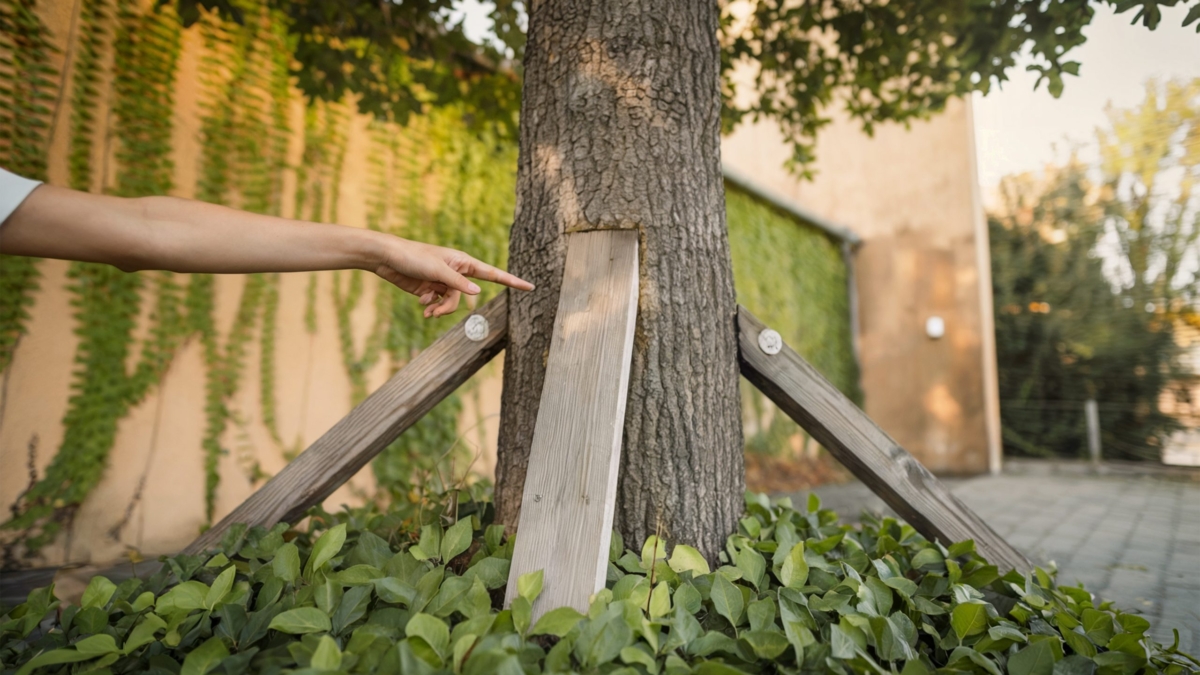
Trees have a distinctive influence on garden design because they affect both the ground plane and the space above it. Unlike smaller plants, trees can change the character of an entire outdoor area through height, canopy, shade, movement, and seasonal appearance.
Selecting a tree should therefore be approached as a long-term design decision rather than a simple planting choice.
Thinking About Mature Size
One of the most important factors is the eventual size of the tree. A young specimen can appear perfectly proportioned when first planted, but its canopy and root system may expand considerably over time.
Available space should be considered in three dimensions. Width, height, surrounding structures, overhead obstacles, and nearby planting all influence whether a particular tree will remain appropriate as it matures.
Spacing also affects the visual composition. A tree positioned too close to another large element may lose its individual character.
Creating Shade
Shade is one of the most practical benefits trees can provide. A broad canopy can make a seating area more comfortable and create cooler conditions beneath it.
The position of the tree determines where shade will fall. Because the sun changes position throughout the day and year, shade patterns also change.
This makes trees useful for shaping outdoor comfort, but it also means their location should be planned carefully. Dense shade may not be appropriate where sunlight is required for certain plants.
Establishing a Focal Point
A tree can serve as the visual anchor of a garden. Strong branching patterns, distinctive foliage, or an interesting trunk can attract attention even when flowers are not present.
A focal tree is often more effective when surrounded by simpler planting. Too many competing features can reduce its visual impact.
The tree can also frame a view. Rather than blocking a distant feature, its branches can create a natural border that directs attention toward a particular part of the garden.
Seasonal Transformation
Many trees change considerably throughout the year. Some provide flowers during one season, dense foliage during another, and distinctive branches or bark during quieter periods.
Deciduous trees can introduce dramatic seasonal transitions, while evergreen trees provide greater continuity. Combining different characteristics can create interest across multiple seasons.
Leaves also influence the ground beneath the tree. Seasonal leaf fall can change the appearance and maintenance requirements of surrounding areas.
Integrating Trees With Other Planting
Trees should not be treated as isolated objects. Underplanting can connect them to the broader garden composition.
Shade-tolerant plants may work well beneath suitable canopies, while open areas around trees can provide breathing room and emphasize their form.
Groundcovers can soften the transition between trunk and surrounding surfaces. However, planting around trees should not interfere with their long-term health.
A successful tree placement combines practical requirements with visual intention. The best position considers mature dimensions, sunlight, surrounding structures, planting relationships, and the way the tree will look over many years.