

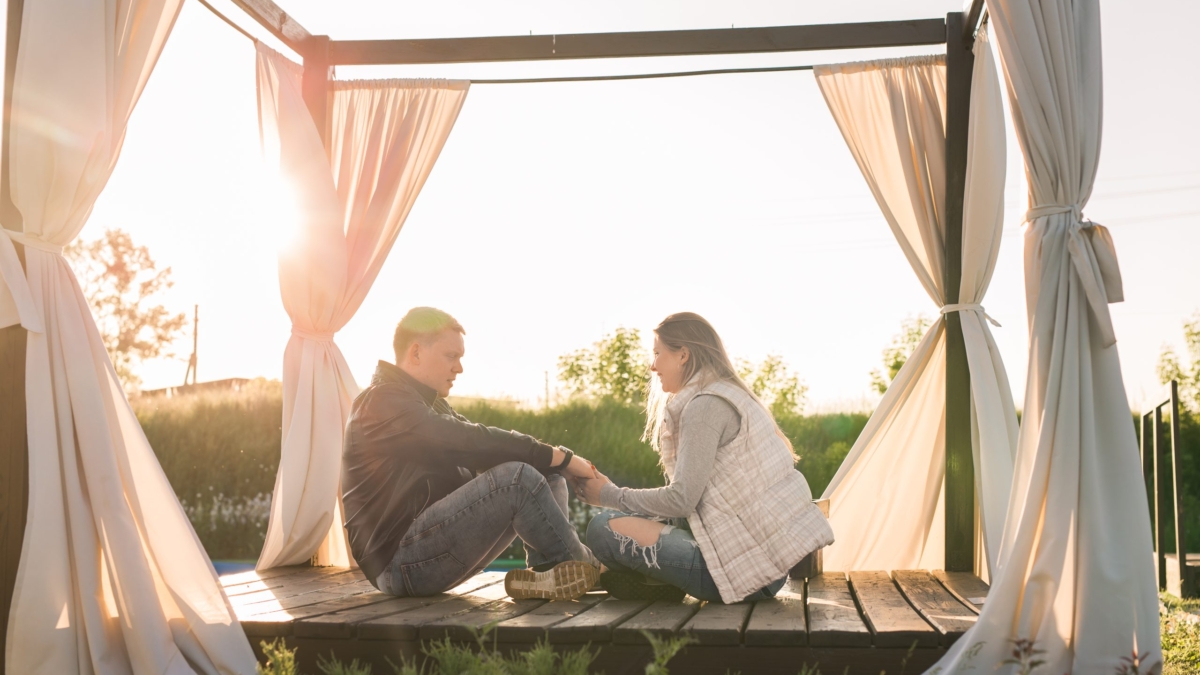
A successful outdoor environment is created through the relationship between many individual elements. Architecture, paving, furniture, lighting, shade, storage, recreational areas, and decorative details all influence how the space feels and functions.
Rather than treating each feature as an independent decision, it is useful to develop an overall design language.
Establishing a Visual Direction
The appearance of an outdoor space can be influenced by the materials, shapes, colors, and proportions used throughout it.
A contemporary environment may emphasize clean lines and restrained materials, while a more relaxed setting may use softer forms and varied textures.
Consistency does not mean everything must match. A limited number of related elements can create visual unity while still allowing individual features to have their own character.
Connecting Different Zones
Outdoor spaces often contain several functional areas. Dining, cooking, relaxation, recreation, and circulation need to work together without becoming visually disconnected.
Repeating materials can establish continuity. For example, a particular surface or structural material may appear in more than one area, linking them visually.
Changes in level, furniture arrangement, or planting can then provide enough distinction between functions.
Balancing Built and Natural Elements
Hard surfaces and architectural structures provide stability, while softer elements create contrast.
The balance between them depends on the intended atmosphere. A heavily paved environment may benefit from softer surrounding elements, while a garden with abundant natural forms may benefit from carefully defined architectural areas.
Neither side needs to dominate. The goal is to create a relationship in which constructed and natural features reinforce one another.
Adding Personal Character
Outdoor spaces can reflect individual preferences through furniture, textiles, decorative objects, containers, artwork, or carefully selected materials.
Personal character works best when it is integrated into the overall composition. Too many unrelated decorative elements can make a garden appear cluttered.
A small number of distinctive features can have a stronger visual effect when they are given enough space around them.
Planning for Long-Term Use
Outdoor design should consider how the space will function over time. Furniture may need to be moved, surfaces will experience weather, and different areas may become more or less important as routines change.
Flexible layouts make adaptation easier. Durable materials, accessible storage, practical circulation, and multipurpose areas can all extend the usefulness of an outdoor environment.
Creating a Complete Outdoor Experience
Garden design and outdoor living are most effective when aesthetics and functionality are considered together. A beautiful patio should also be comfortable, a dining area should also be convenient, and a recreational space should also connect naturally with the rest of the garden.
The strongest outdoor environments are not defined by one particular feature. They are shaped by the way many elements work together to create a place that feels coherent, comfortable, and useful throughout everyday life.