

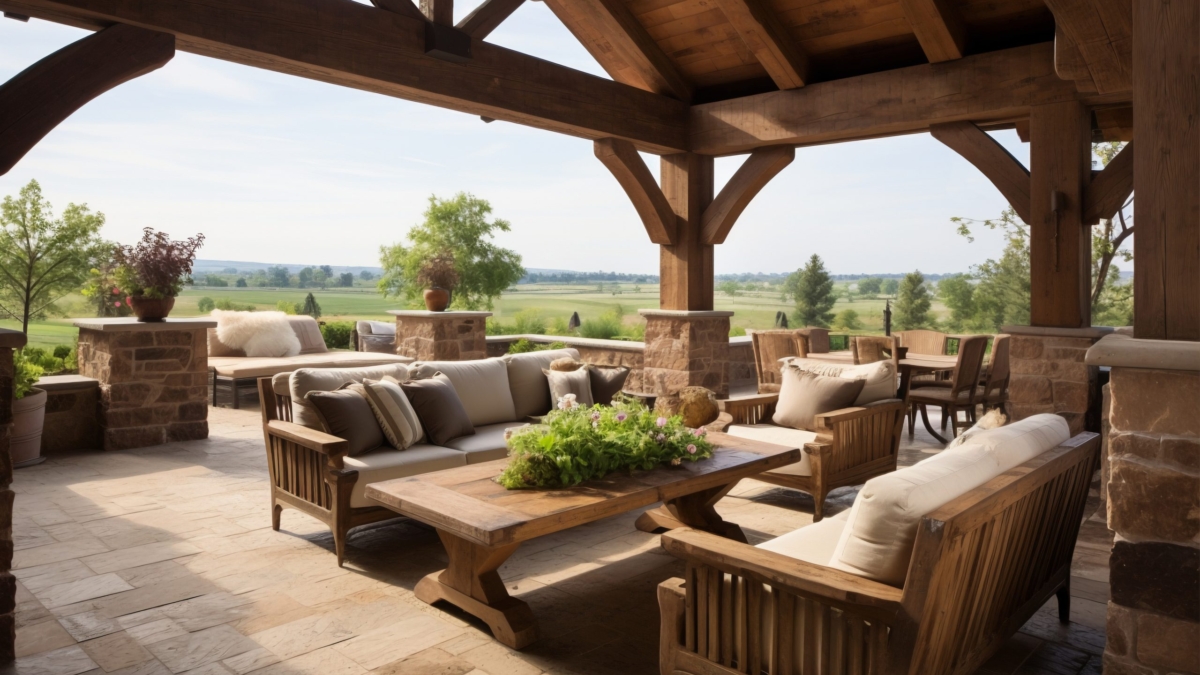
A patio can become one of the most versatile parts of an outdoor environment. It may function as a dining area, a place for relaxation, a setting for social gatherings, or simply an additional living space during comfortable weather. Its usefulness depends on how well its layout, materials, furniture, and surrounding features work together.
Good patio planning begins with purpose. Instead of deciding on a shape or surface first, it is helpful to consider what activities the area needs to support.
Defining the Main Function
A patio designed primarily for outdoor dining will require sufficient space for a table, chairs, and comfortable circulation. A relaxation-focused area may need more room for loungers, sofas, or flexible seating.
Some patios need to accommodate several activities. In these situations, separate zones can be created within the same surface rather than dividing the area with permanent structures.
The relationship between the patio and the home also matters. Convenient access can make the outdoor area more likely to be used regularly, especially when meals, drinks, or household items need to be carried outside.
Choosing a Suitable Layout
The shape of a patio should correspond to the architecture and available outdoor space. Rectangular layouts often provide straightforward furniture arrangements, while irregular forms can follow existing structures or create a more organic transition into the garden.
Circulation should remain clear. Chairs should be able to move away from tables without blocking primary routes, and people should not have to cross through a seating group to reach another part of the garden.
Creating a central open area can make the patio feel less crowded even when it contains several pieces of furniture.
Selecting Surface Materials
Patio surfaces need to combine appearance with practical performance. They should be suitable for outdoor exposure and provide a stable base for furniture.
Texture can influence the overall character of the space. Smooth surfaces often create a cleaner architectural appearance, while textured materials may feel more informal.
The color and pattern of the surface can also influence how large the patio appears. Large-format elements may create visual continuity, while smaller patterns can introduce greater detail.
Adding Comfort Features
Shade can significantly extend the amount of time a patio remains comfortable. Covered structures, umbrellas, pergolas, or nearby trees can provide protection from strong sunlight.
Outdoor cushions and textiles can introduce additional comfort, while side tables make seating areas more practical.
Lighting is another important feature. Soft illumination can allow the patio to remain functional after daylight while helping distinguish the seating area from surrounding spaces.
Designing for Flexibility
Furniture does not need to remain in one arrangement. Lightweight chairs, movable tables, and modular seating can allow the patio to adapt to different occasions.
A space used for everyday relaxation may be rearranged when several people gather. This flexibility allows one patio to support multiple activities without requiring additional construction.
A successful patio is therefore not simply an attractive paved area. It is a carefully organized outdoor room designed around movement, comfort, accessibility, and everyday use.